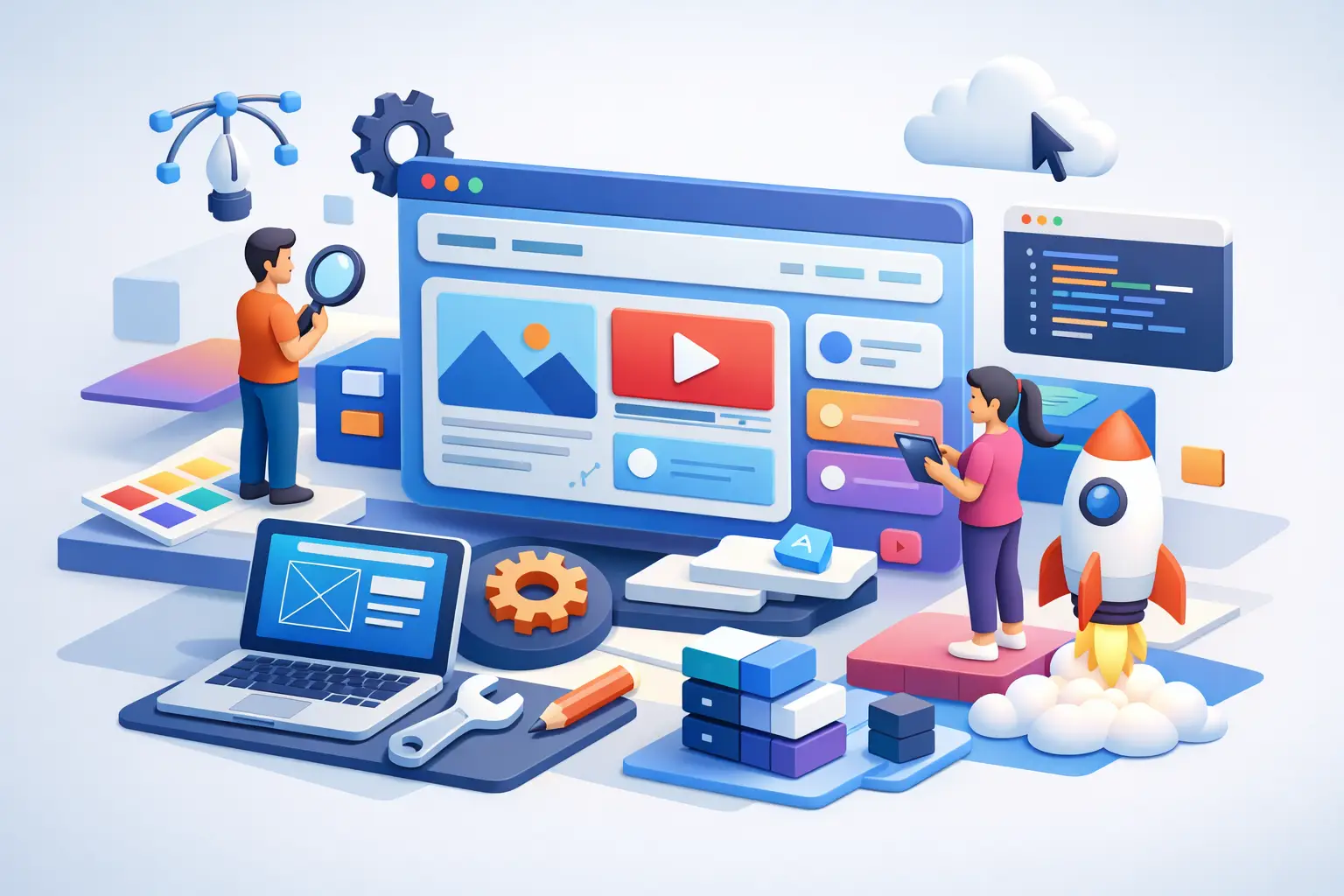
A business can have great services, strong reviews, and a solid reputation – then lose leads because its website feels outdated, confusing, or slow. That is usually where the question comes up: what is website design and development, and why do both matter so much to growth?
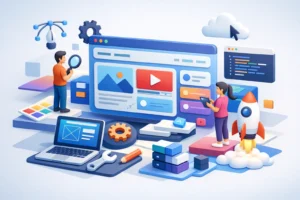
The short answer is this: website design shapes how your site looks, feels, and guides people to act. Website development builds the structure that makes all of that function properly. One handles the experience people see. The other handles the systems that make that experience work.
If you only invest in one side, you usually end up with a site that either looks good but underperforms, or works technically but fails to persuade. For businesses that want stronger visibility, better conversions, and a more credible online presence, design and development need to work as one system.
What Is Website Design and Development in Simple Terms?
Website design is the visual and strategic layer of a website. It includes layout, branding, color choices, typography, navigation, page structure, and the way users move from interest to action. Good design is not decoration. It is decision-making. It helps a visitor understand who you are, what you offer, and what they should do next.
Website development is the technical side that turns the design into a working digital product. It includes coding, content management setup, mobile responsiveness, loading speed, form functionality, integrations, ecommerce features, and the back-end systems that support the site. Development is what makes buttons clickable, pages load correctly, and information flow where it should.
Together, they create a website that looks professional, performs reliably, and supports business goals. That matters whether you are a local service provider trying to generate calls or a retail brand trying to increase online sales.
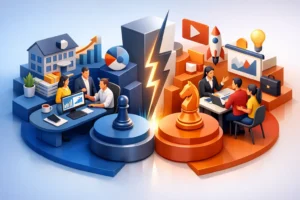
Website Design vs. Website Development
People often use these terms interchangeably, but they are not the same thing.
Design focuses on user experience and brand presentation. It answers questions like: Does this site feel trustworthy? Is the message clear? Can visitors find what they need quickly? Does the layout guide attention toward inquiry forms, phone calls, or product purchases?
Development focuses on execution and performance. It answers different questions: Does the site work on mobile devices? Are forms submitting correctly? Is the platform secure? Can the business team update content easily? Will the site support SEO, ecommerce, or future feature expansions?
This distinction matters because many underperforming websites fail in the gap between the two. A polished homepage means very little if the site is slow or hard to update. On the other hand, a technically functional site will still struggle if the messaging is weak and the experience does not build confidence.
What Website Design Includes
Design starts before anything visual appears on screen. It begins with goals. A business site should not be built around personal preference alone. It should be built around what helps the company stand out and convert traffic into action.
That means strong website design usually includes brand alignment, page hierarchy, user flow, mobile-first thinking, and clear calls to action. It also includes decisions about imagery, trust signals, spacing, readability, and how the homepage supports deeper service or product pages.
For example, a law firm, roofing company, dental office, and Shopify store should not all follow the same visual logic. Their audiences behave differently. Their buying decisions happen at different speeds. Their websites need different pathways to conversion.
That is where strategic design creates a competitive edge. It helps a business look established, credible, and easy to choose.
Good design is tied to business goals
A well-designed website is not just attractive. It should support measurable outcomes. That could mean more booked consultations, more quote requests, stronger local visibility, higher ecommerce revenue, or more time spent on key pages.
This is also why trends can be risky when used blindly. What looks modern is not always what converts best. Minimal layouts can feel premium for one brand and empty for another. Animation can add energy, but too much can hurt clarity and speed. Design choices should match the audience, not just current fashion.
What Website Development Includes
Once the strategy and visual direction are set, development turns that plan into a functioning site. This can involve front-end development, which controls what users interact with, and back-end development, which supports databases, content systems, integrations, and site operations behind the scenes.
Development often includes building on platforms like WordPress or Shopify, setting up page templates, optimizing responsiveness across devices, improving loading speed, connecting forms and CRM tools, configuring ecommerce functions, and making sure the site is secure and maintainable.
A strong developer is not just writing code. They are helping create a site that is dependable, scalable, and easier to market.
Why the technical side affects growth
Many businesses do not think about development until something breaks. But technical quality influences visibility and conversions from day one.
If a site loads slowly, people leave. If navigation breaks on mobile, leads drop off. If pages are difficult for search engines to crawl, rankings suffer. If the site is hard to edit, your team delays updates and the content becomes stale.
Development shapes all of that. It supports the performance layer behind marketing results.
Why design and development should never be treated separately
A website should function like a sales asset, not a digital brochure. That only happens when design and development support the same goal.
If the design team creates pages with no regard for speed, the finished site may look sharp but frustrate users. If the development team builds without understanding sales flow or brand positioning, the result may work technically but fail to communicate value.
The best websites are built with both sides connected from the beginning. That means the visual experience, technical framework, SEO setup, content structure, and conversion strategy all move in the same direction.
For growing businesses, this integrated approach is especially valuable. It reduces rework, creates stronger consistency, and makes the site easier to scale through SEO, paid traffic, social campaigns, or ecommerce growth.
What is website design and development really supposed to achieve?
At a business level, the goal is not simply to launch a website. The goal is to create an online presence that supports visibility, trust, and action.
That might mean helping a contractor appear more established than competitors in local search. It might mean giving a retail brand a cleaner ecommerce experience that increases average order value. It might mean helping a service business clarify its offer so more visitors become inquiries.
A good website should do three things well. It should present the brand clearly, attract the right audience, and move that audience toward conversion.
That is why websites work best when they are not treated as isolated creative projects. They should be connected to branding, SEO, content, photography, and marketing strategy. Businesses that align those pieces tend to build more momentum because every part of their digital presence reinforces the next.
How to know if your current website is falling short
You do not need a full audit to spot common signs. If your site feels dated, loads poorly on phones, has unclear messaging, or generates traffic without enough leads, there is likely a design or development issue involved.
Sometimes the problem is visual credibility. Sometimes it is technical performance. Often, it is both. A site may look acceptable at first glance but still lack clear conversion paths, proper search structure, or the flexibility needed for future growth.
This is where a more strategic rebuild can outperform small cosmetic fixes. Patching weak websites often costs more over time than building a stronger foundation from the start.
Choosing the right approach for your business
Not every business needs a custom enterprise build. Some need a polished WordPress site with strong service pages and local SEO structure. Others need a Shopify store designed for product discovery and sales. Some need lead generation pages first, then deeper expansion later.
The right answer depends on your business model, competition, growth stage, and internal resources. That is why the best website projects start with questions, not templates.
For example, a business serving competitive areas like Vancouver or Burnaby may need a site structure that supports stronger local search visibility. A brand with multiple services may need clearer user pathways and better content hierarchy. An ecommerce company may need a sharper focus on product filters, speed, and checkout flow.
The point is not to build the biggest website. It is to build the right one.
When businesses understand what is website design and development, they stop seeing a website as just a box to check. They start seeing it for what it really is: a growth platform that shapes first impressions, supports search visibility, and helps turn attention into revenue. If your current site is not doing that, the next step is not more guesswork. It is building a website with purpose from the ground up.